


If your team covers hundreds (or thousands) of outlets, Beat Planning and PJP are what separate consistent coverage from guesswork. In FMCG and distribution, a beat is the day-wise sequence of outlets a rep visits, while PJP is the pre-scheduled, recurring visit plan that ensures long-term market coverage and service discipline. These methods exist to reduce travel, raise coverage, prevent stockouts, and build better retailer relationships week after week.


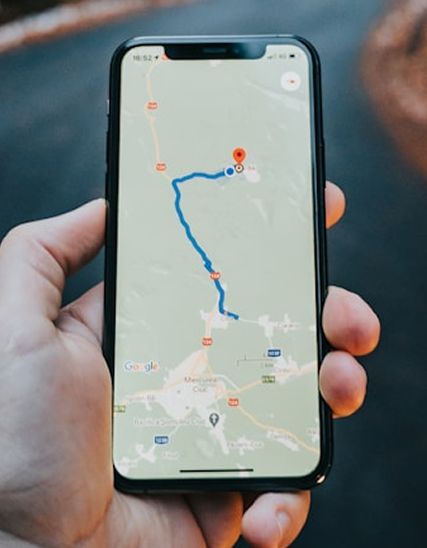
 Beat plan: the daily or weekly route that specifies which outlets to visit in what order, designed to minimize travel and maximize selling time. Done right, beats cluster high-priority stores, balance the load, and keep small or far-off outlets from falling through the cracks. PJP (Permanent Journey Plan): a fixed, recurring schedule (e.g., weekly/monthly cadence) that sets which outlets are visited and how often, so brands maintain systematic coverage and capture demand consistently
In short, Beat = daily execution; PJP = the recurring coverage framework that keeps the market healthy. For the definition and a downloadable template, see PJP full form and format.
 Market coverage and numeric distribution depend on disciplined, repeatable visits—not ad-hoc trips. Brands that plan visits by frequency and value maintain availability and reduce stockouts. Efficiency & productivity improve when routes reflect store potential, past orders, and geography, not just habit. Teams spend less time traveling and more time selling. Retailer relationships strengthen because retailers know when reps are coming, which improves order readiness and in-store execution.
Set visit cadence by store potential (A/B/C or similar tiers), historical sales, and growth signals so your highest-impact outlets see reps more often—without abandoning long‑tail coverage.
Avoid overlaps; balance beats so each rep covers a realistic number of outlets per day, accounting for traffic, rural access, and market off-days.
Sequence stops to minimize backtracking and fuel/time costs; when possible, cluster nearby high-value outlets to keep selling time high.
Go beyond geography—use orders, replenishment cycles, visibility tasks, complaints, and invoice ageing to prioritize which stores get attention first.
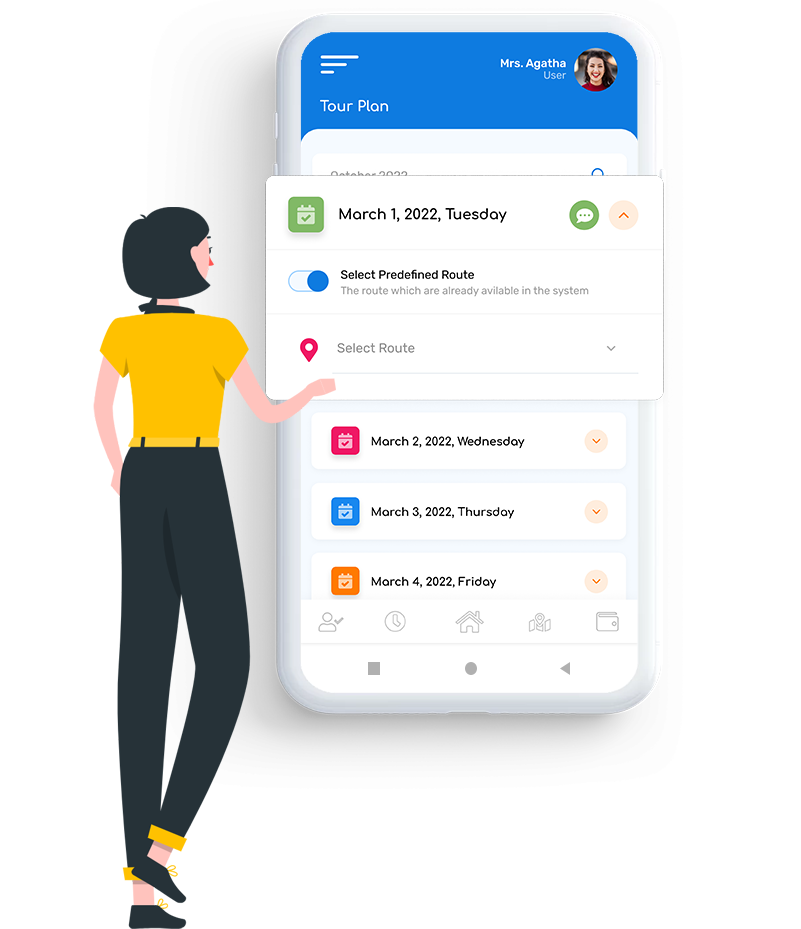
 Segment outlets by size/value (A/B/C), growth potential, and service needs; assign visit frequencies (e.g., A: weekly; B: bi-weekly; C: monthly). Map territories and cap the daily outlet count based on local travel realities (traffic, transit availability, rural distances). Sequence beats (Mon-Sat) to keep total travel low; avoid adjacent reps serving the same area on the same day unless justified by volume. Build your PJP calendar (4-5 week cycle) to enforce recurring coverage; schedule exceptions for launches, seasonality, or regional festivals. Add store-level objectives to each visit (order, display check, collections, complaint closure)—so time on site drives measurable outcomes. Establish plan vs. actual discipline with geo-verified check-ins and duration—then coach where beats are repeatedly under-served.
 Urban FMCG rep (avg. 25-30 stops/day): Mon/Wed/Fri: A & B clusters (high potential) | Tue/Thu/Sat: B & C clusters (maintenance + expansion) Semi-urban/High-spread: Mon-Sat: 15-20 stops/day; greater travel allowance; rotate outlying C-stores on fixed days
Adapt these to regional off‑days, monsoon/holiday disruptions, and vehicle constraints.
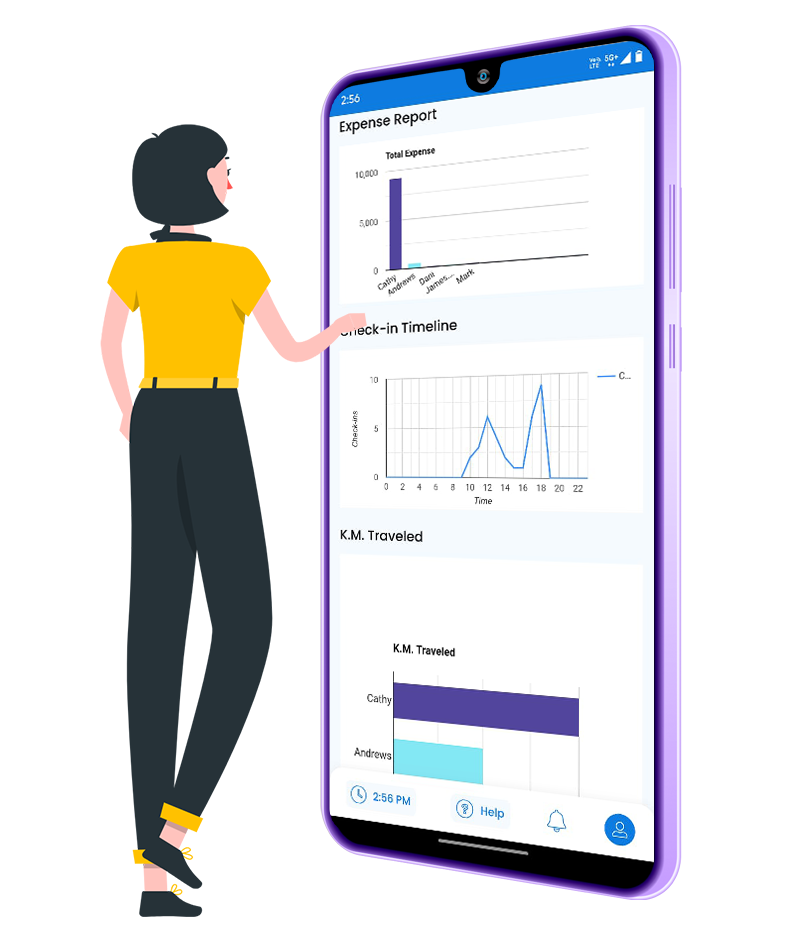
 Coverage % & Call Average (stores covered vs. planned; productive calls) Visit frequency adherence (tier-wise compliance) Order fill & stockout reduction (pre/post) Travel vs. selling time (route efficiency) Outlet growth (A/B/C migration, average order value)
 Geography over performance: visiting by habit rather than sales potential leads to stockouts at high-volume stores and wasted trips elsewhere. Use data to rebalance. Over-stuffed beats: a 40-stop plan that ignores traffic and distances kills selling time; cap daily stops realistically. Ignoring local realities: rural transport availability, market off-days, and seasonal disruptions require ground-truthing beyond a map.
Twib turns planning into execution you can trust by combining Beat/PJP setup with GPS-verified visits and plan vs. actual reporting.
Upload or build your outlet master; tag tiers (A/B/C) and set visit frequencies.
Create Beat routes with smart sequencing and assign to reps by day; roll up into a PJP calendar over 4-5 weeks.
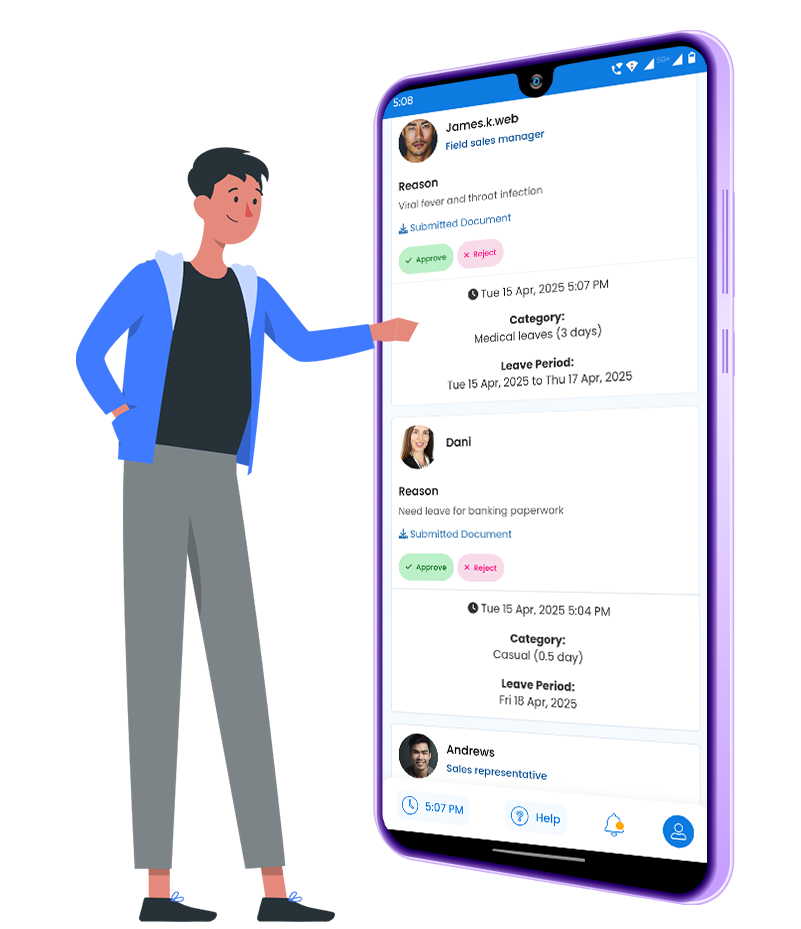
Reps follow the Beat on mobile, check in with geofencing & photo proof, capture orders / collections / notes, and check out; offline support keeps the day moving.
Plan vs. actual dashboards show coverage, frequency adherence, time-on-site, exceptions, and route efficiency.
Use territory heatmaps, leaderboards, and exports to coach and rebalance swiftly.
 FMCG & Distribution: Tie beats to replenishment cycles and display tasks; prioritize A-stores and rotate C-stores to keep numeric distribution rising. Pharma: PJPs typically enforce cadence (doctor/chemist) and sample/accountability rules; aim for strict frequency adherence and time-on-site tracking. Field Service: PJP can mix scheduled PMs with ad-hoc tickets; keep a flex window for SLA calls while preserving base coverage.
 A/B outlets on clear weekly cadence; C-outlets mapped with realistic intervals. Beats with balanced daily stops and reduced backtracking; selling time trending up. Plan vs. actual visibility; exceptions reviewed weekly; routes refined by data. Stockouts trending down and order fill improving at priority outlets.
Simple per‑user pricing. Start with a free trial or schedule a guided walkthrough to see Twib tailored to your process.
If your team still relies on manual logs, WhatsApp messages, or spreadsheets, you’re probably asking the same questions.
Video TestimonialTwib lifted outlet coverage by 21% in 8 weeks and eliminated visit disputes.” — Head of Sales, FMCG Distributor
Twib lifted outlet coverage by 21% in 8 weeks and eliminated visit disputes.” — Head of Sales, FMCG Distributor
Twib lifted outlet coverage by 21% in 8 weeks and eliminated visit disputes.” — Head of Sales, FMCG Distributor


