


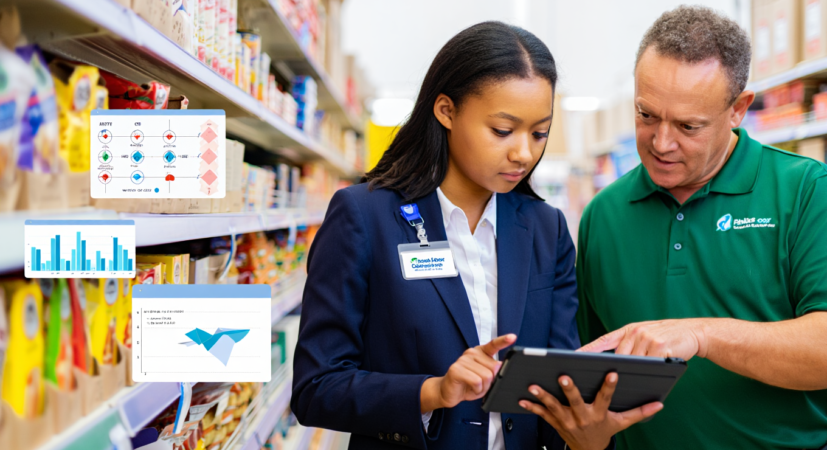
Managing food processing field sales can feel simple on paper, yet complexity is usually faced on the road. Freshness windows are tightened. Distributor expectations are raised. Compliance checks are increased. Because of this, better control is needed without adding more calls, sheets, or late-night follow-ups.
Why food processing field sales needs a different playbook
Food products are not sold like durable goods. Shelf life is limited, so missed visits can turn into missed revenue. Price changes are frequent, so outdated rate cards can cause disputes. Returns and replacements are common, so visibility must be kept high.
Question: What breaks first when a food rep is managed manually?
In most teams, three issues are seen: routes are not followed, orders are not captured correctly, and collections are delayed. When those gaps are left unchecked, the same customers are visited again, while high-potential outlets are ignored.
Field force automation that reduces daily chaos
Better execution is usually created when routine tasks are automated. With field force automation, daily work can be structured without being micromanaged. Attendance, tasks, leads, and follow-ups can be handled with fewer messages and fewer missed steps.
A simple operating rhythm is often used:
- daily route plan is assigned
- priority outlets are flagged
- follow-ups are tracked
- end-of-day summaries are captured automatically
This approach keeps reps focused on selling, while managers are kept focused on improving coverage and conversions. When field force automation is used consistently, fewer “status calls” are needed, and more coaching becomes possible.
GPS visibility, geo fencing, and route discipline
Food distribution performance is tied to time. Travel delays can damage relationships, especially when deliveries are linked to replenishment cycles. That is why a sales tracking app is often used to bring route clarity.
When real-time location is available:
- detours can be reduced
- coverage gaps can be spotted
- urgent outlets can be rerouted quickly
Geo fencing can also be added so that visits are verified. It helps when fresh stock must be checked at the right outlet, at the right time. A planned tour plan can be used as a baseline, while exceptions can be handled through live tracking.
Question: How can more visits be done without longer workdays?
Less backtracking is required. Routes are optimized. Time is protected. Those outcomes are typically seen when a sales tracking app is paired with route planning.
Sales reporting that improves decisions without extra reporting
A busy team can be slowed down when too much manual reporting is demanded. Instead, reports should be generated from the work already being done. That is where a sales reporting app becomes useful.
With a strong sales reporting app, daily signals can be reviewed:
- planned vs completed visits
- outlet-wise order frequency
- SKU-wise movement trends
- follow-up completion rate
- beat productivity by territory
Performance is improved when reviews are done weekly. Targets are refined when patterns are seen early. Most importantly, decisions are made on facts, not assumptions.
Question: Which metrics should be tracked weekly for food reps?
Visit-to-order rate, average order value, stock availability notes, and pending collections are usually enough to guide action.
Order and collection control for predictable cash flow
In food processing, growth can look strong while cash remains stressed. That happens when orders are booked but collections are delayed. It also happens when credit limits are not enforced consistently.
That is why order and collection discipline should be built into the field workflow. Orders should be captured in real time. Collections should be updated the same day. Aging should be reviewed weekly.
When order and collection is handled inside one system:
- disputes are reduced
- credit exposure is controlled
- repeat ordering becomes easier
- reconciliation becomes faster
It also becomes easier to forecast demand because the order stream is cleaner and more current.
Expense management that stays audit-ready
Food reps travel often, and reimbursement is expected quickly. However, delays are created when receipts are missing, distances are unclear, or approvals are scattered.
With structured expense management, claims can be submitted with proof and approved faster. Visibility helps both sides:
- reps are paid accurately
- finance teams are protected from errors
- budgets are tracked without surprises
When expense management is combined with route data, unusual spikes can be identified and corrected early.
Training, incentives, and fairness in performance reviews
Motivation is rarely sustained through pressure alone. Clarity is usually needed. Transparent targets, fair incentives, and visible achievements are expected by strong reps.
A practical method is often used:
- incentives are tied to controllable actions (coverage, conversions, collections)
- achievements are recognized weekly
- training is kept lightweight and frequent
- coaching is focused on one improvement at a time
When outcomes are measured consistently through a sales reporting app, performance conversations are kept factual. That reduces conflict and increases trust.
A practical tool stack for food processing field teams (with a subtle shortcut)
Many companies attempt to combine five tools for tracking, orders, attendance, expenses, and reporting. Over time, data gets fragmented. Adoption gets reduced. Managers are forced back into calls and spreadsheets.
A single platform approach is often preferred. When a modern sales tracking app includes check-ins, tasks, dashboards, and approvals, execution becomes easier. When it also supports order and collection plus expense management, the entire cycle becomes cleaner.
A field-ready system like Twib is often considered in this category because field activity, reporting, attendance, orders, and performance are kept in one flow. As a result, time is saved, and visibility is improved without pushing extra admin work onto reps.
Conclusion: growth is protected when field execution is visible
In a competitive market, food processing field sales performance improves when field activities are consistently captured, verified, and reviewed. Implementing field force automation reduces time lost on repetitive follow-ups and manual coordination. Better decision-making becomes possible through the use of a reliable sales reporting app that delivers clear insights. Daily tracking of orders and collections helps create more predictable cash flow, while structured expense management ensures reimbursements remain clean and audit-ready.
If field operations are being scaled, Twib can be used to simplify tracking, reporting, orders, and performance in one place. That clarity can help your reps sell more and help managers manage less. Try Twib to make your field sales operations faster, cleaner, and easier to grow.